Producers unite! Kurupt FM’s Hugo Chegwin and Elevation Meditation’s p-rallel talk influence, garage, and radio stations.
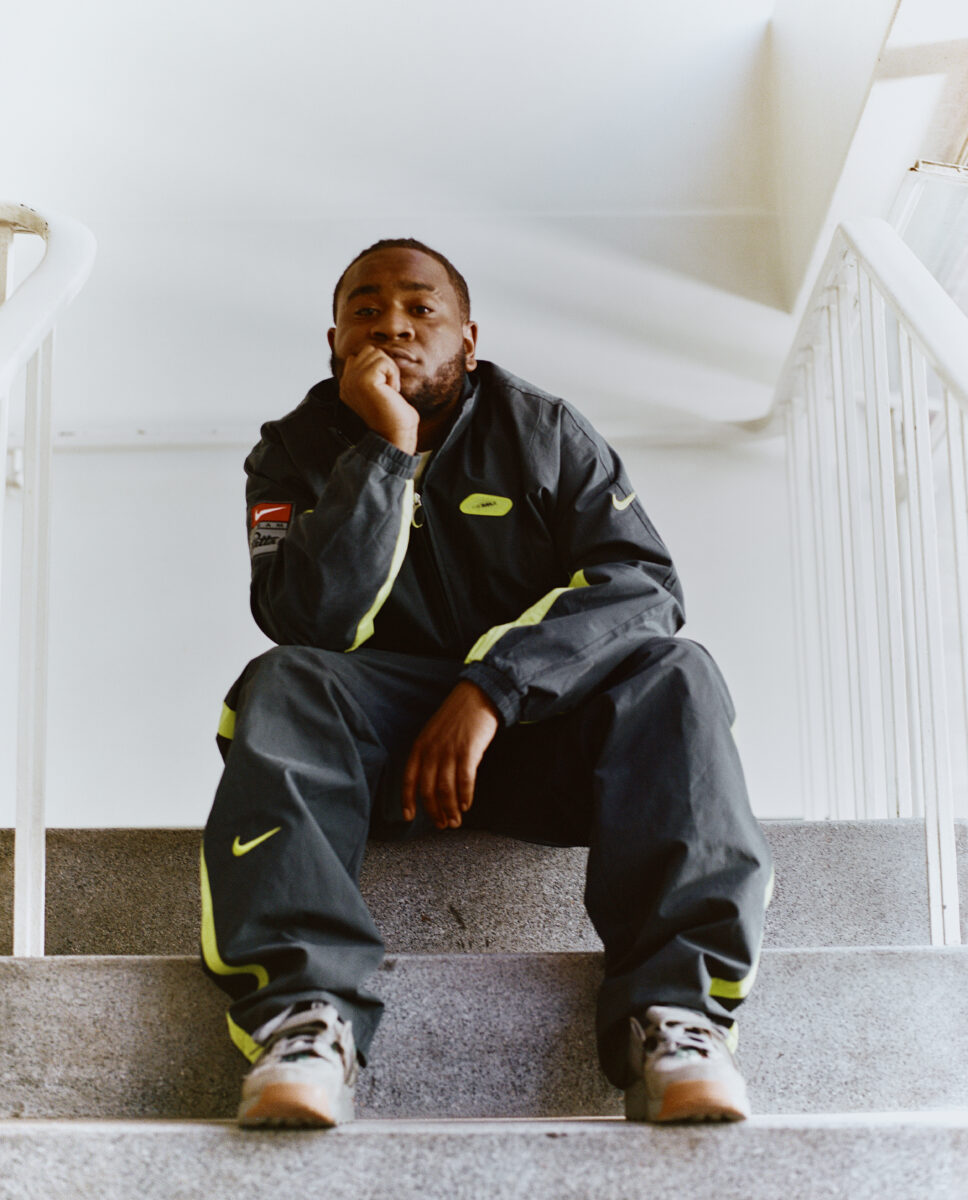
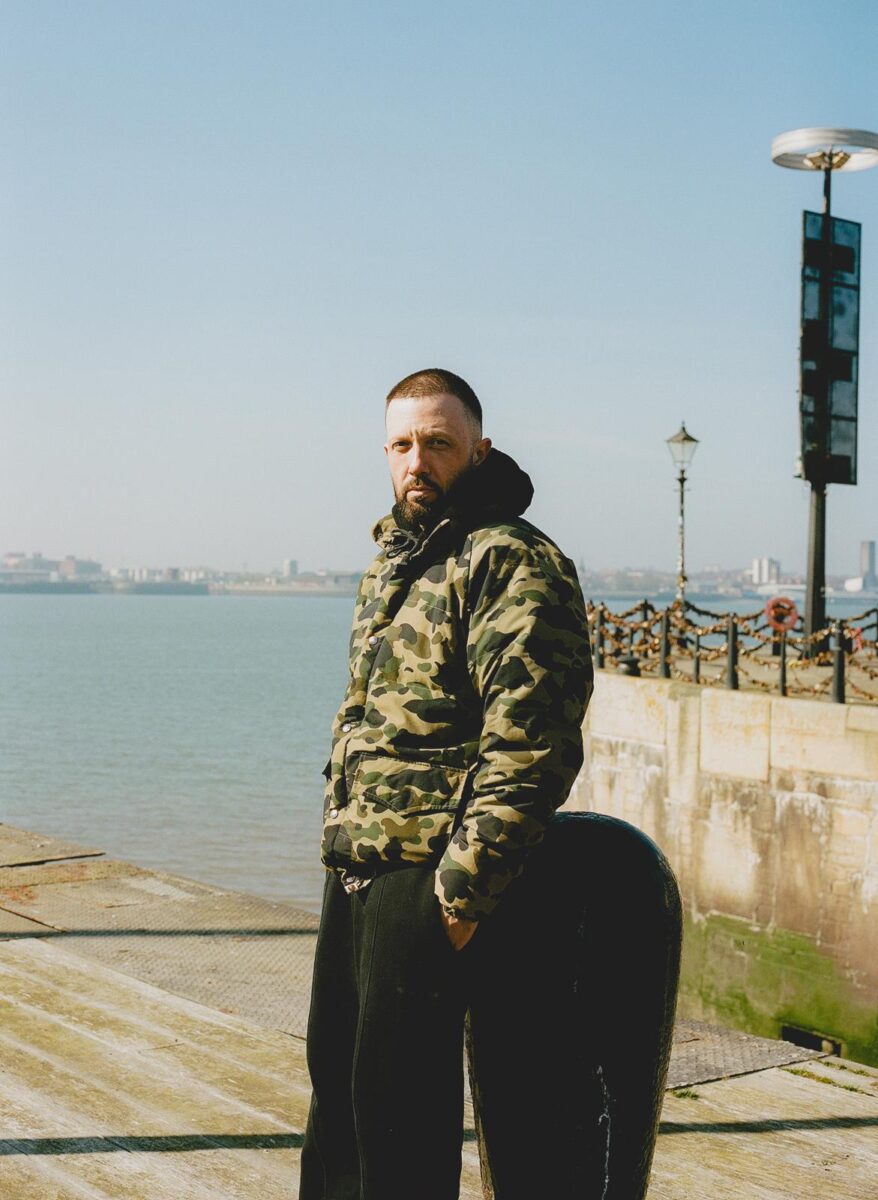
You might best recognise him as Kurupt FM’s loveable dunce, DJ Beats, in classic British mockumentary series People Just Do Nothing, but Hugo Chegwin has many more strings to his bow than comedy. He’s an adept DJ and producer in his own right, having produced for major names like Emile Sandé, Sam Smith and Maverick Sabre.
This year, he’s launched a new artistic project culminating now in a debut EP, “Shark Tooth Necklace”. With features from Jianbo, ShaSimone and more, the garage-infused four-pronged project showcases Chegwin’s craftsmanship and characterful production, expertly manufactured and surprisingly emotive.
In a Wonderland exclusive feature, Chegwin and fellow West Londoner, DJ and friend, p-rallel, sit down to discuss the changing industry, their formative years in music, and what grounds them.
Listen to “Shark Tooth Necklace”…
Read the interview…
You’re both performing at Drumsheds this month.What is the biggest/best place you’ve performed at? What was your ‘pinch me’ moment?
Hugo: I might be wrong on the stage name, but it was The Glade stage at Glastonbury. It was like two years ago. It was one of the only stages that were open basically, so it was rammed. Like people couldn’t get into the field and stuff. And I wasn’t expecting it.
p-rallel: I think the first one for me was probably Manchester’s The Warehouse Project. I can’t remember what year though. I want to say 2023. It was the most people I’ve DJ’d to, the first time I’ve DJ’d to so many people
You both grew up in West London. How did growing up in West London shape your ear for music? Did anything specifically influence you? Whether that’s carnival, the culture?
p-rallel: I grew up with like Finn Foxellra and Louis Culture. Being with them and growing up with them made me want to do music.
Hugo: When I was younger it was quite a tribal thing, you either did like grime or rap or made early dubstep or jungle. East London had grime and south had road rap. And sometimes, being around here, there was so many different genres going on, but you were accepted by all of them if you were just creative and making music.
When you were growing up, were there any specific clubs, pirate radio stations or local scenes that fostered your love of music fostered and inspired you?
Hugo: I used to go to Forward a lot with Silky and early dubstep guys and that was definitely interesting. I learnt low end dubstep, subs and stuff like that, which I actually ended up using in pop music randomly.
Before you started doing Kurupt FM, was there a place you could record pirate radio. Did you have a station you’d normally go to?
Hugo: Yeah, there was one in Hammersmith. Oh, I can’t remember the name, it’s bad. But we used to go all the time, just smoke weed and watch people DJ.
p-rallel: I didn’t really get into radio until NTS Radio, but my dad, he was on a private radio station the whole of my life growing up. Power Jam was one of them. I can’t remember the name of all of them, but also Choice FM.
Hugo: Yeah, and in West we had Flex FM.
What were the first records or the first producers that you were around that made you think, ‘I want to do this and make music myself.’
Hugo: Wookie. And DJ Zinc. But I didn’t think because they could do it, I could do it. I just thought that they were interesting and sick. And that’s what I wanted to try and attempt to make. It’s like a poor man’s version of it.
p-rallel: Mine was DJ EZ and Shy FX.
Both of you draw from different eras of UK dance and garage. When you make music, how do you balance nostalgia with innovation?
p-rallel: I think you just do it. And if it does sound too old gen or if it sounds too wrong, you just move away from that sound and you go somewhere else. It just naturally happens.
Hugo: You’re always evolving your style.
How do you know when you’ve actually completed the track, and that it’s done?
Hugo: Sometimes when you get the deadline, you just have to deliver it. I’m not Kanye, who can just, you know, change it even after a project is out.
What’s the most challenging part of being a producer and a DJ in today’s landscape?
p-rallel: Everyone thinks they’re aDJ – it’s annoying. They either find me as a DJ, and are like, “Oh, you’re sick, you DJ,” or they find me as a producer and then they’re like, “Oh what you DJ as well?” Even that, I’d just say I’m an artist and they will still be confused by that.
Hugo: I think the hardest part is sometimes I don’t know where my best skills lie. Sometimes I think I don’t really want to be an artist because I like being in the room with producers and other artists and helping them navigate their vision. But then the next minute I want to put out a Jungle EP. I just bounce around too much.
Do you ever feel pressure from the higher ups – managers, marketeers, label execs who have been like, no, you need to be more Jungle, you need to be more Garage, more Dance, more House. Like, is that. Is that quite limiting?
How have you seen the music scene shift in the past decade musically and culturally?
Hugo: I think when I was younger – because I’m old – it was very segregated. You listen to this genre of music and that defines you. Whereas now, there’s Spotify, Instagram, TikTok, and so it’s much more open. People just listen to everything.
p-rallel: Same here, you’ve got someone like Overmono who mixes jungle, garage, everything together and people love it. So I think it’s that more people are open to different sounds which is nice.
There’s been a huge resurgence of garage and jungle. What do you think is driving that?
I think it’s our – the UK’s – music. Like our version of Dubstep or Reggae. It’s at every festival, it’s played in shops, it’s our history, you know.
p-ralle: Everyone’s just listening to so many different types of music now that everyone’s open to listen to everything. And because you don’t have to listen to the radio anymore, we can listen to music on our own terms, so we have more of a connection to our old music than ever.
What challenges did you both face starting off your careers?
Hugo: I got pushed into making pop music, which I know nothing about, but somehow managed to have a couple of songs that did well. I was forced into this world of pop music, which actually put me off music and not want to contribute to music for a long time.
p-rallel: The balance of DJing and producing. Having a crazy weekend and have to work on Monday, that’s probably the main challenge, to be honest. I didn’t really learn how to balance it at the very start, so I was just going out. But I can handle it a bit better than I did before.
What keeps you grounded when you do these long tours and big shows?
p-ralle: Mainly the team, I guess.
Hugo: I think you’ve got to go back to reality. You’ve got to go take the bins out eventually, and go and get food. All of that stuff that’s grounding, like, you’re not important. Sometimes I’m in my room when I’m around my kids and at that moment, I’m just their dad. And it’s quite good.
Who do you think has got a good career ahead of them?
Hugo: I like Jim Legxacy.
What’s been your biggest milestone?
p-rallel: When I dropped “soulboy” during lockdown. When I dropped that project, I was just locked in, and I just used lockdown to the best of my ability to drop music because I was DJing constantly. But I was like, ‘Nah, everyone’s sitting down, concentrating. This is the best time to do it.’
Hugo: I’d say making the instrumental for “Heaven” by Emile Sande because it was just a beat for my mate that was a rapper, but it was too fast for him. Seeing it go from that into something big at the time was sick.


