After a decade in the game, Jay Prince delivers his broadest body of music yet with debut album, SHINE. Wonderland gets the rundown.

An artist deep into his tenure whilst showing a patience that equates to success, Jay Prince has been releasing music for just over a decade. From free-styling on the playground to his upcoming show at KOKO, it has been a long journey to get to this point. But as he stated at a recent event, the journey is the best bit.
He has now shared his long-awaited debut LP, SHINE. An album full of collaboration — from Yussef Dayes to Estelle — it is a pivotal moment in this rapper’s career. The album was inspired by a trip to the Democratic Republic of Congo and a desire to do something different from previous bodies of work.
Wonderland catch up with Jay to discuss connections with previous work, learning more about his roots, and how being a lecturer has helped him learn.
Listen to the album…
SHINE is 6 years in the making. What has been the biggest change in that time for you as a person or as a musician?
I have matured a lot. I’ve been making music during my late teens and early 20s, and I’m coming into my thirties now, so there is a lot of life experience. A lot has changed in terms of being able to develop creatively and explore different sounds and genres. An all-round understanding of where I am at has been the catalyst of everything.
One thing I noticed is that this album title, and the projects beforehand, are all capitalised, one-word and have positive connotations. Is there a connection between the projects?
It is intentional, there is a theme there. I didn’t think anyone would pick up on it.
I started doing this as it was the best way to explain to myself the intention of where I was coming from. “CHERISH” was coming from the angle of the sentiment of cherishing things, “WONDER” was a place of exploration, and SHINE is outwardly letting experiences come and be expressed.
I found that the sound on the new record is more sombre than you used to be. Is this an example of the headspace you’re in, or is this you being able to make the record you envisaged to make?
In terms of musicality, it is the record I have always wanted to make. Having a lot of musicians on it is a goal and dream of mine.
In terms of the subject matter, it was just a matter of being honest. The whole sentiment behind it was to be honest about the hardships and learning new things about myself, and letting that be a pathway to something positive. I guess the sombreness is rooted in that, regardless of what is going on in your life, we all have that light in us.
That was the intention, more than anything, to use that as a mechanism.
Why is collaboration a more important factor on this record compared to your other material?
Going into this album, the number one approach I had was to try something I had never done before. It is how I go into every project. I wanted to work with artists I have never collaborated with before.
On “WONDER”, I had 0 collaborations, which was something I had never done before. The previous one, “CHERISH”, I had a couple, and that was people I hadn’t put songs out with before. I have never made an album purely collaborative from the point of working with musicians constantly. I wanted to approach it from the angle of ‘What does the step up look like in my career?’.
It was important for me to collaborate from the standpoint of learning, and from a studious angle to be like, ‘Can I be more of a service to others on this album?’, even though it is my album. It was quite difficult to let go. Ultimately, it was a learning experience from a creative standpoint.
You have been to the Democratic Republic of Congo and interacted with family there. How was this trip important to you, and the message of the album?
It was important to me because I had never been back home in terms of my family’s heritage. I think identity is linked to home, and what we recognise. Obviously, I was born and raised in London, and I have had a great experience living here. But, the extension of that is my heritage being Congolese and Angolan. Seeing where my parents are from and meeting my family was a way to know more about myself.
On this project, it was an album where I had to look internally. There is a song on the album, the Yussef Dayes track actually called ‘”US”, and I said, “Had to go to Congo, just so I can feel alive.” What I meant by that was that it helped me understand a bit more about myself, whether it is my family telling me about where they came from, or their experience growing up. For me to be able to have my own experience, and understand the people, is an inspiration to have confidence in approaching my album.
You’re the founder of Lounge In Sounds and a lecturer. How has your work in these positions allowed you to help the next generation and pass on your knowledge?
With making music, you are putting it out to the masses, and people take it for what it is. Having a platform like Lounge In Sounds where you are putting on events, lecturing, and connecting with students, it is a much more hands-on service. I’m serving others, and it is not to do with me at all.
When it comes to lecturing and doing the Lounge In Sounds stuff, it’s about catering to people’s needs. With the lecturing, for example, everyone is from a different walk of life. I’ve worked with people from the age of 18 to 50 years old, and everyone has a different perspective and goal.
I am able to give my knowledge of the insight I have of being in the space that they are trying to understand. Some people don’t even know if they want to do anything creative; they are just curious.
Being Jay Prince isn’t as important; it is more down to the experience and what you can offer beyond your name. It is teaching me, as I am the one doing the teaching.
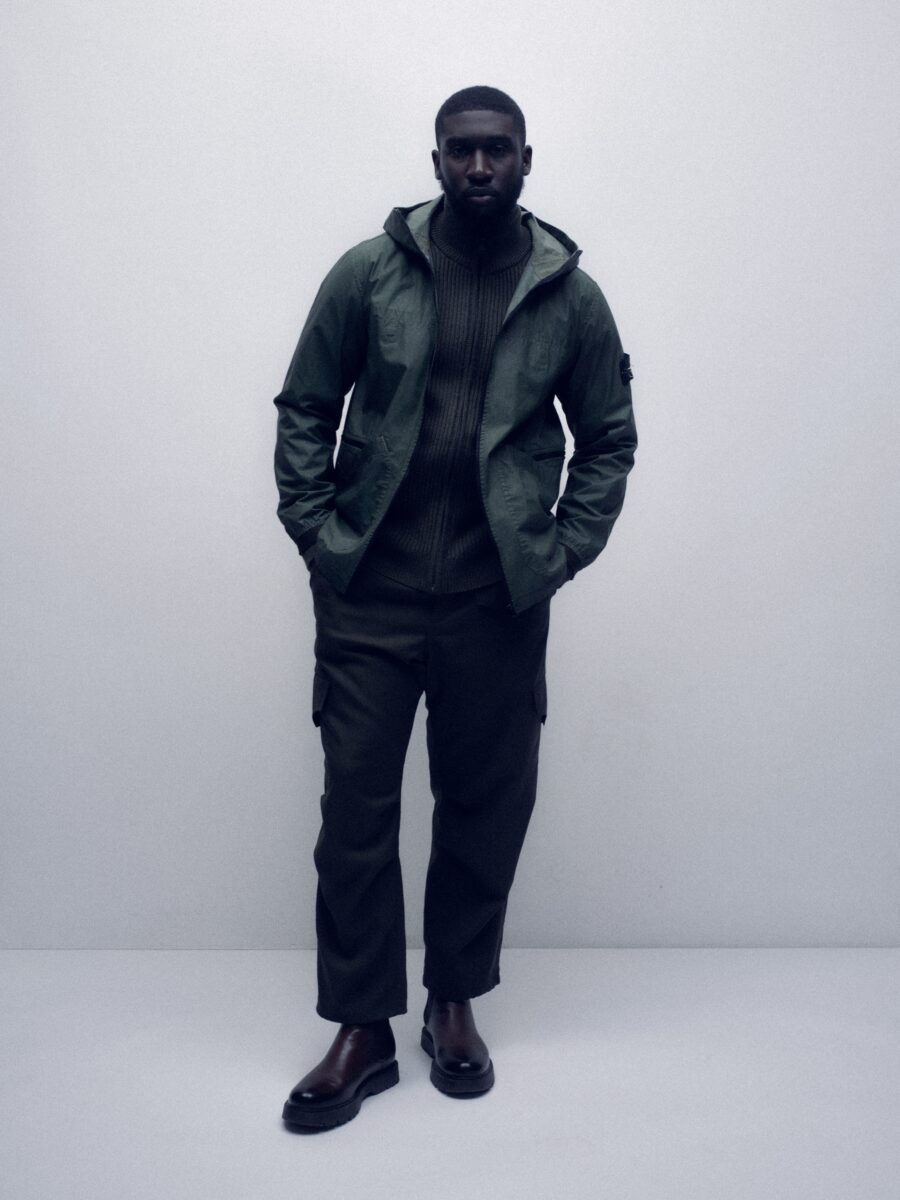
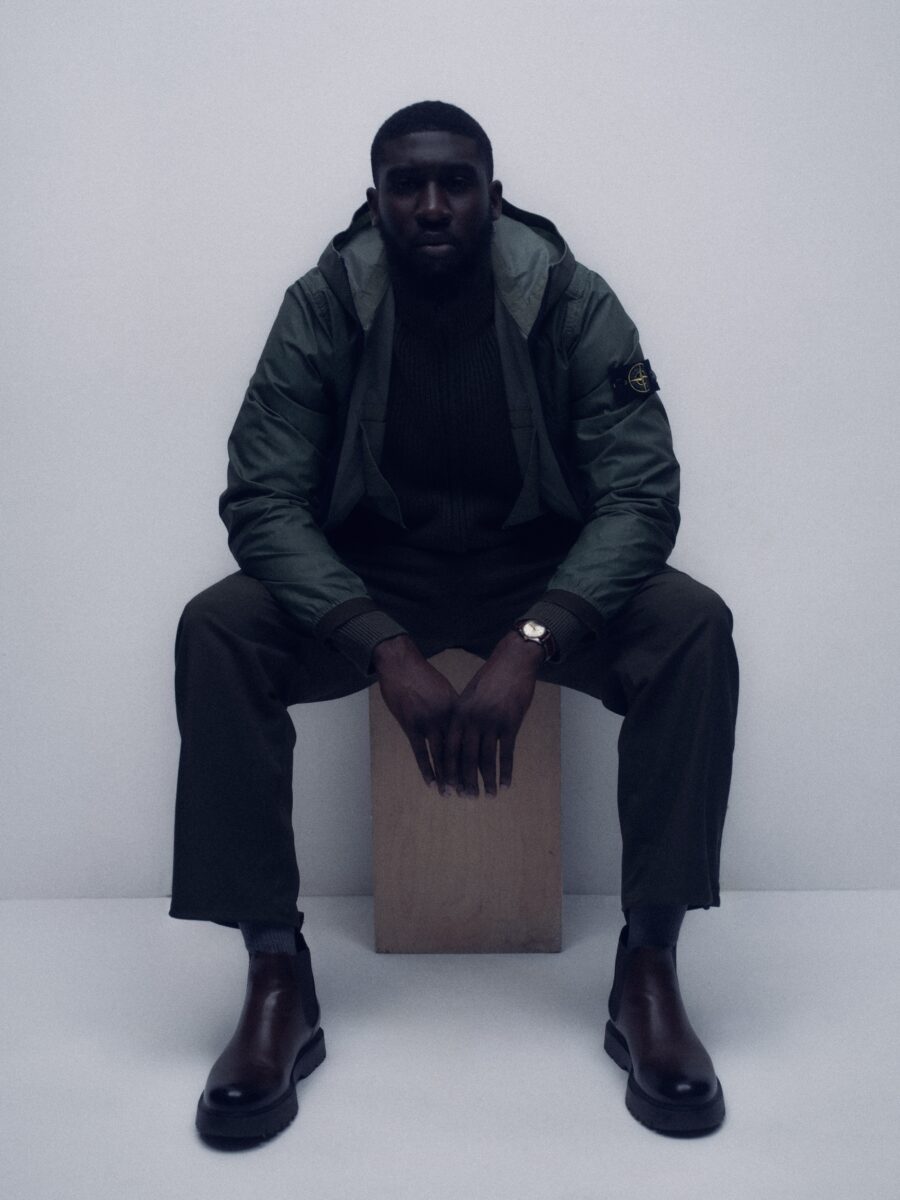
This year marks the 10th anniversary of your first project, “Befor Our Time”. How would the person you are today look back at the person you were in 2015?
I’d see myself back then as fearless. There wasn’t much to me back then, being honest, and all I cared about was making music, creating as many ideas as I could, and the freedom.
There was such freedom to that project. You have less to lose when you are starting out, and the reputation was being built in terms of what I was capable of doing.
There are certain songs I listen to from that project, and not much has changed in terms of how I made music. Of course, there are improvements in terms of production and technical aspects, but I wouldn’t do anything differently. I’d be proud of myself back then.
When you take to that stage at KOKO, what can fans expect that will be different from only listening to the album?
I’d say polished. I have grown more in confidence, and I hope it shows. I don’t think too hard in terms of what the experience should be like. In past shows there was always this subconscious image to uphold as to what kind of show I wanted it to be. Now, I have more confidence in what I’m doing with my music.
On stage is where I tend to express myself more openly because I am doing what I love. Just an honest, from the heart performance truly reflects who I am, and the music is the soundtrack to that.
It is a funny one performing. It’s such a different field from the actual music listening and creating. It is a very communicative thing, and I don’t do enough of that. That is why I try to make the most of it.
In terms of U.K. rap music in general, where do you think the scene goes next?
From what I have witnessed, I’m hearing more music where influences are merging. You have drill/grime songs with soul samples. Take someone like Knucks, he has a very unique sound, you can tell he’s an amazing rapper. He is a producer as well, so you can see the production influences whether it’s a drill bounce or a grime bounce, but with a soul sample. Even artists like Skepta, bringing that U.K. sound with that current US rap sound.
The space is seeing that there is more accessibility to music worldwide. You have TikTok, Spotify playlists, artists from all around the world collaborating, Polish artists doing drill/grime. There is potential for a lot of creative and outside-thinking artists coming up. I would have loved to have started out around this time.
One thing that pushed me to get into music was to not sound like anybody. That might be the most hip-hop thing to say, but it was always like, “How can I stand out?”
Now, it is amazing as you have so many different artists that are doing what they generally like. I love that because it encourages me to continue creating and exploring different things. I just hope the U.K. has some staple artists that stand the test of time.
In America, especially in the hip-hop, soul world, you have icons that have done it for 30+ years. It will be good to see in 25-30 years who those U.K. artists are.
Who are some up-and-coming artists you want to shout out?
There is a rapper called SAMSON, he has a song called “still wanna hold you”. He could be crazy in the future. Not to be biased, but Sam Wise is one of my favourite artists, and one of the guys from the same collective called BlazeYL is amazing.
Words – Tom Atkinson


