Back on his travels, Features Editor Ben Tibbits takes a trip to Braga for SQUARE, a festival and conference that promises to open conversations and change perspectives.
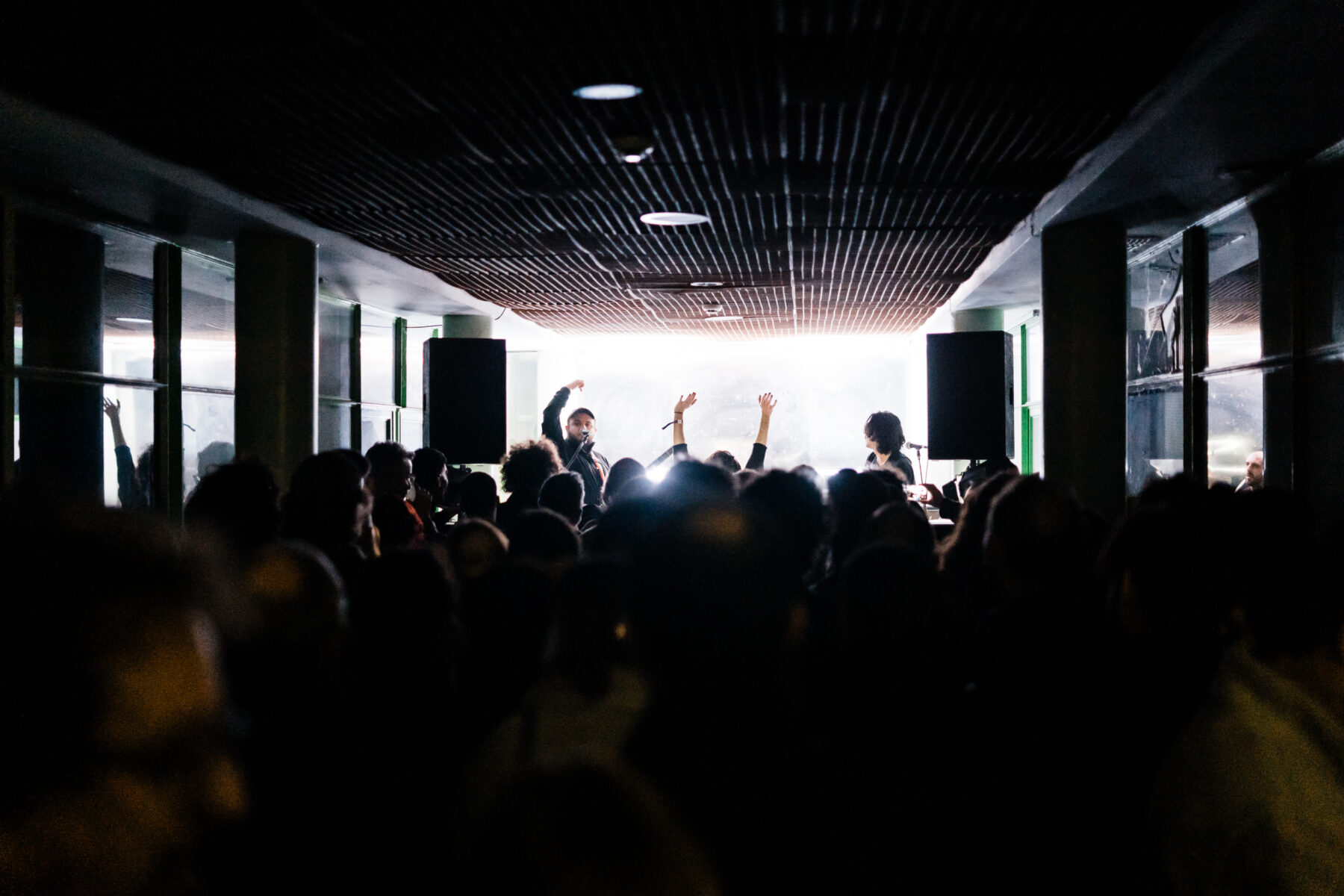
My suitcase, whilst flying over Europe, has developed a squeaking noise. What happened? The air pressure of the wheels perhaps? Some strand of karma biting me for a past wrongdoing? I couldn’t tell you, but I do know that the sound’s shrill consistency is immensely grating. It’s approaching midnight in late January and I’m dragging my feet through Porto airport, a morose headache lingering behind my eyes thanks to the three beers I drank in Gatwick Wetherspoons a few hours earlier.
It’s been a long day. It’s been a long month.
Still, as I find my equally fatigued looking driver and ride off into the night, things are looking brighter. I’m on route to Braga, a city in Northern Portugal renowned for its decadent churches and architectural charm, to bear witness to and partake in a revolutionary experiment on the ‘festival’ format.
SQUARE has been pitched as a fluid and forward-thinking amalgamation of music and conference; a four-day spectacle driven by the intention of supporting independent promoters, grassroots organisations and industry professionals looking to make a difference. Braga, as part of their year as Portuguese Capital of Culture, will be my home for the week and the base of the conferences. But there’s plenty of travel to come, with each day’s musical showcase occurring in a different city in the region. A provoking and unique hypothesis, which seems complex to pull off, as I check into my hotel and crawl towards a deep slumber, I’m excited and intrigued by how the next few days will play out.
Morning comes; a catalyst for some early trip drama. Before I can make it to breakfast, a fire alarm begins droning, aching out across the building. From past experience, this seems to be a usual occurrence in European hotels, so I naively ignore the warning for some 15 minutes. Before long though, the smell of smoke creeps into my room. I look down from my window to find scores of staff and guests standing outside. I’m on the seventh floor. Shit.
A heavy haze of panic succumbs me as I grab my passport and baccy pouch and prepare for a fight for survival. The corridor outside is smoky but there is no sign of fire, so I jet down the halls towards the fire exit and dive down the staircases several steps at a time.
The hotel reception is brimming with worried onlookers, most of whom, it turns out, are fellow festival attendees. We’re escorted outside, and soon after a fire engine filled with burly men arrives. They run courageously into the unknown as we await news. What feels like hours pass until eventually, the go ahead is given and after a period of uncertainty, we’re allowed to re-enter the establishment. The idea of breakfast a thing of the past, I gear myself up to begin the SQUARE adventure.
Braga certainly has its charm. A city with a bi-millennial history, founded by an Ancient Roman dynasty, its architectural lineage and Catholic heartbeat is still very much intact. A ten or so minute stroll takes me to my first stop off— gnration, a cultural centre that will play host to the conference element of SQUARE. I arrive there just in time to catch a panel on Cities and Creative Communities for Music, with three guests from Marrakech, Mexico City and Idanha-a-Nova respectively discussing their experiences in the live music orbit and digital space.
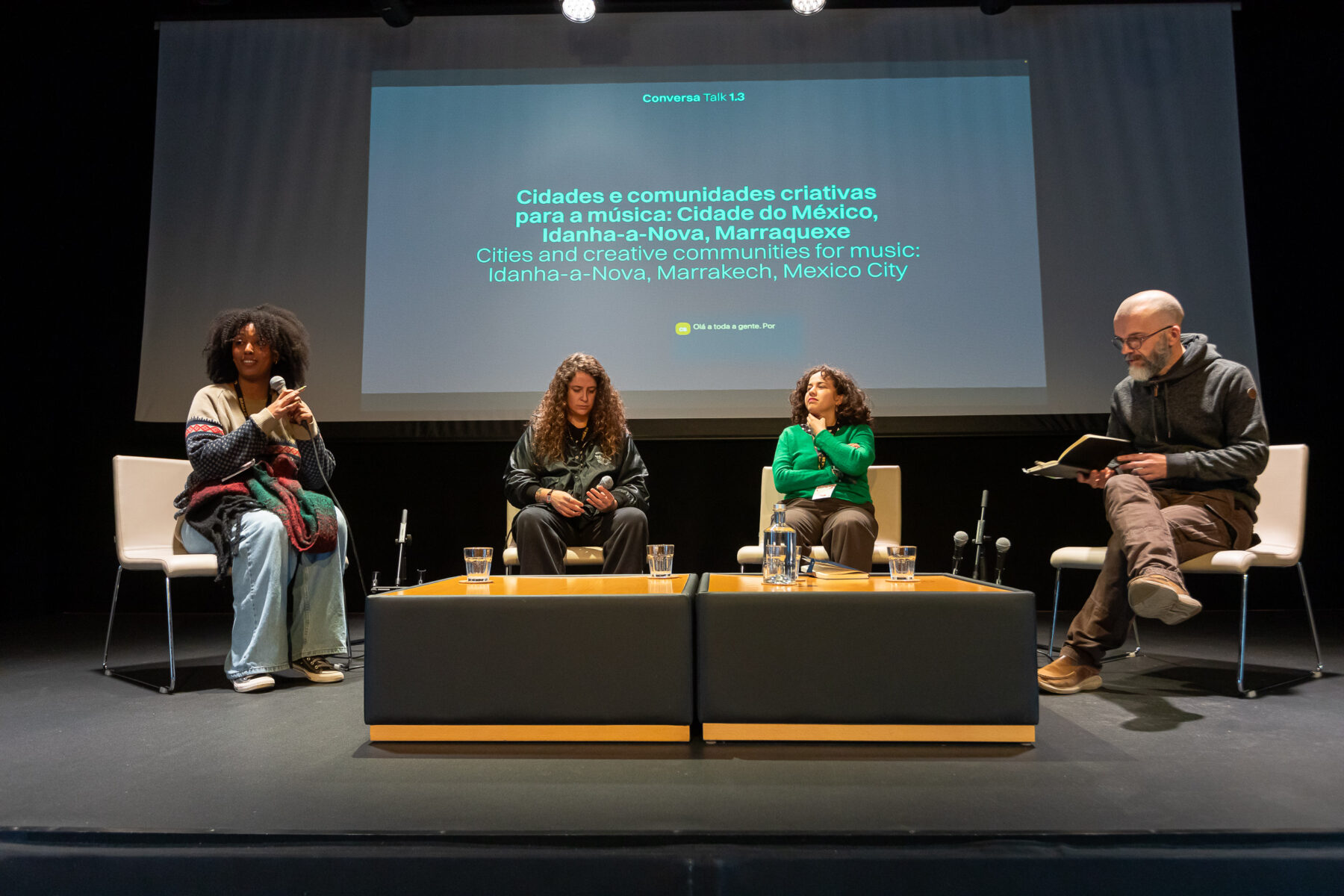
In some fit of confidence, when the panel is opened to questions from the audience, I ask: what’s their experience with music journalism in their cities? Very limited, is the answer—any presence of publications wains. Their unsurprising conclusion is paradoxical; hope of a prosperous future dwindles for many in the world of music press. But, as Ted Kessler wrote in the eulogy of Paper Cuts, his gut-achingly funny portrayal of music journalism’s ‘death’, now is ground zero—it’s down to the next generation of writers to shape the craft’s direction. I smile wryly as I leave to grab some complimentary (two meals a day are included in the festival pass) lunch.
As mid afternoon sets in, so does the rain that has been teasing a descent all morning. Thankfully, for now, there’s a bus to guide the one hundred or so attendees to the first new city to explore. Guimarães, bar the cacophony of droplets from the sky that it hosts, is a lovely place. We’re ushered towards the first venue—each performance has a different home—which is an art gallery and cultural space called CIAJG. In an auditorium-like room, the first act to take the stage is Skanderani, a quintet from Estrada in Spain. Their performance is a captivating and fluid exploration of Ethiopian jazz, west-leaning rock riffage, avant electronica and off-kilter sampling, augmented by a psychedelic-meets-vintage visual backdrop and eccentric traditional-inspired outfits. An entertaining, if jumbled, genesis to proceedings.
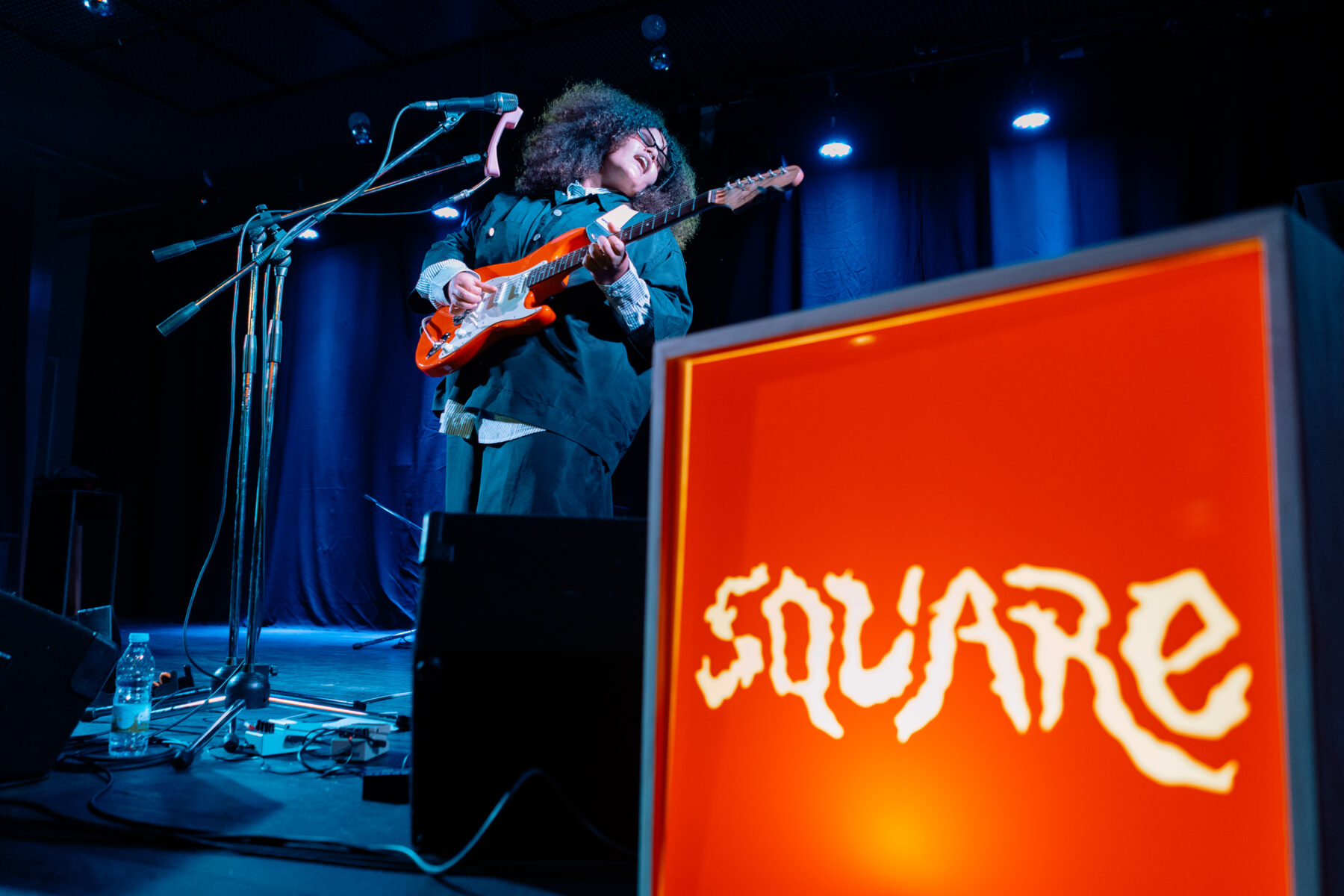
There’s a twenty or so minute walk to the next venue. Without a hood or an umbrella, and with the rain violently falling onto the cobbled pavement, it’s a grotesque voyage. Soaking through, arrival at cultural cafe Centro Cultural Vila Flor is a relief. Jadsa, is worth the anguish, though—the soteropolitano singer-songwriter’s performance brims with soulful and emotional inflection, her vivacious vocal showings, decadent electric guitar and supporting trombonist amalgamate an ear-catching blend of Brazilian rhythms and jazzy electronic experimentalism.
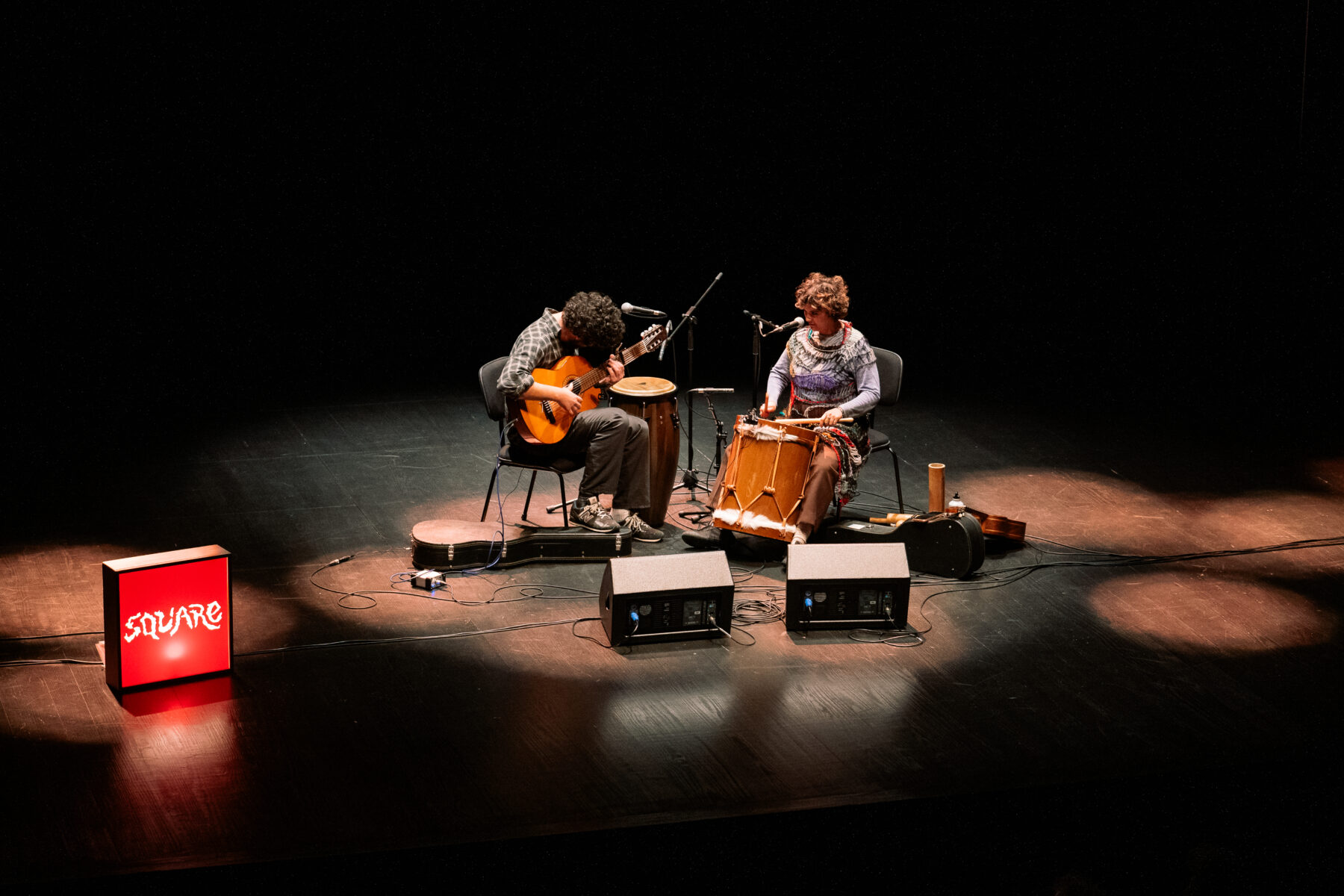
Next up, at concert venue Teatro Jordão, is Arianna Casellas Y Kauê. The Porto-raised duo evoke a rich and esoteric atmosphere, a deft and devastating merging of traditional folk, delicate vocal melodies and expressive spoken word. The room is silent—everyone in the audience is immersed by the intimacy of the performance. From the subtle to the maximalist, the following showcase takes place, well, under a bridge. The act who inhabit this idiosyncratic location are Scottish two-piece comfort, who raise the energy levels tenfold. The queer punk act edge in metal and hip hop tendencies, riotously delving into personal songwriting and raucous effervescence.
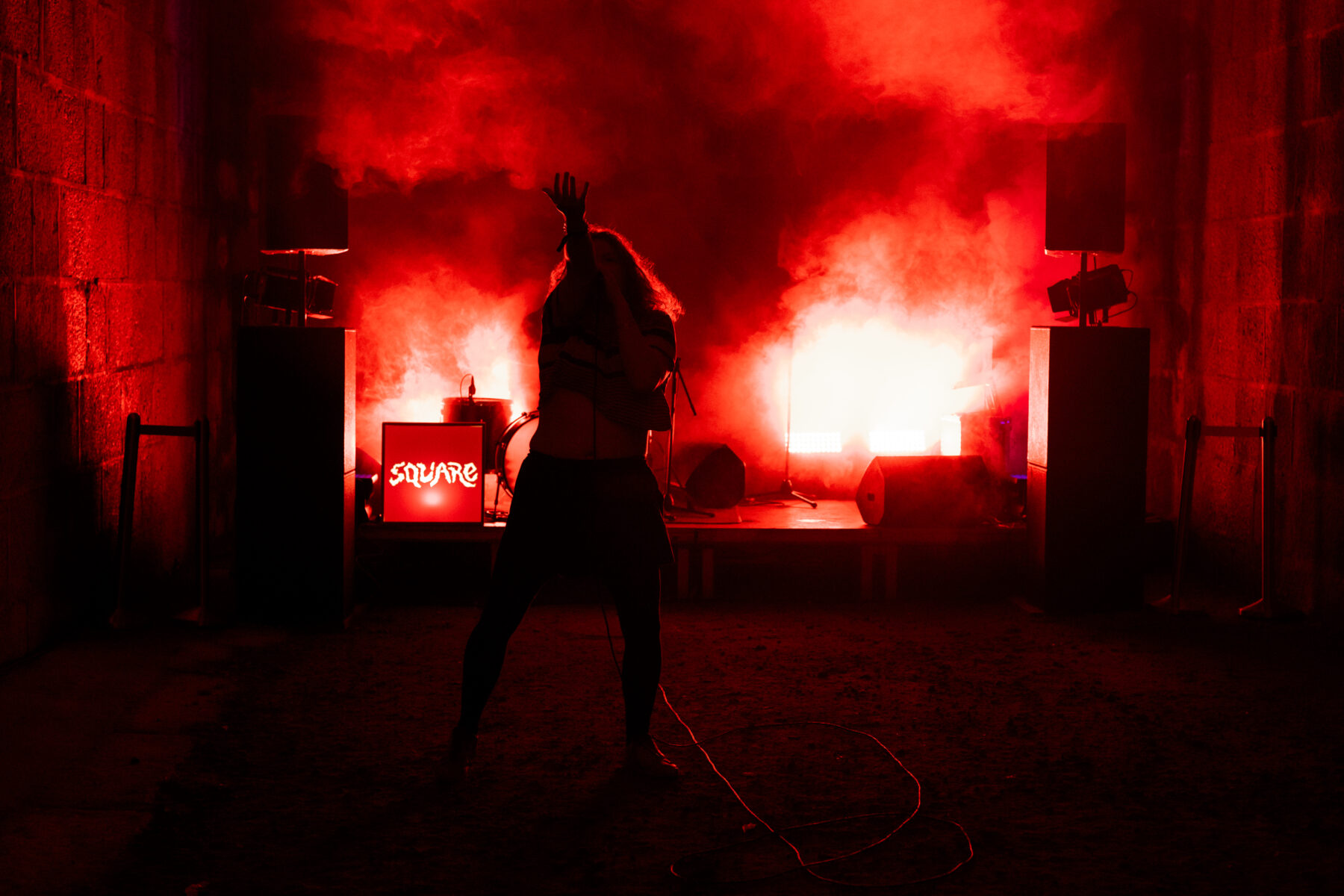
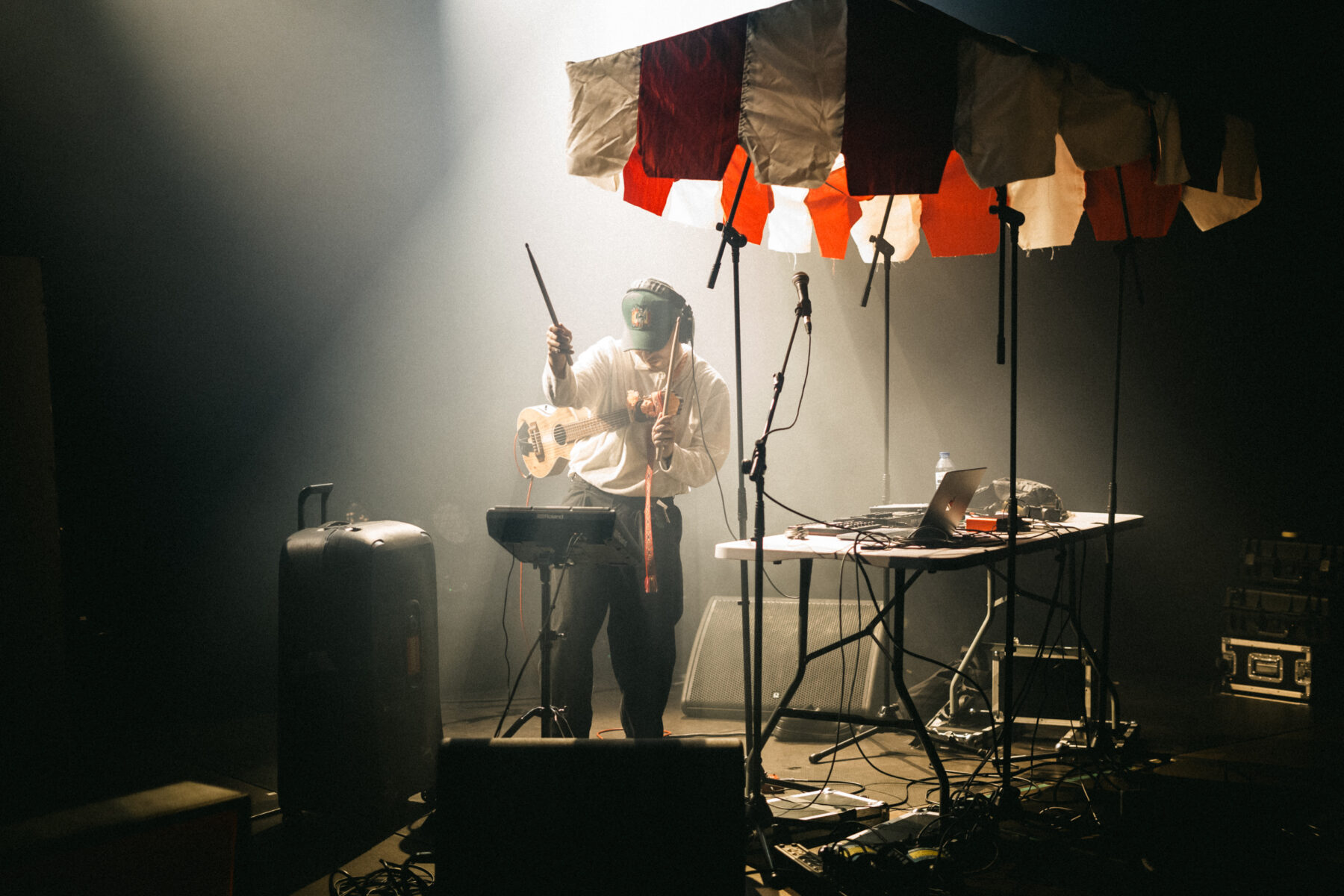
Down the road at CAAA, a dingy local club-like spot, Brazilian-born, Lisbon-based DJ and producer King Kami ups the hedonism with a dance set that touches on techno, four-on-the-floor, volt mix and futurism, accompanied by a playful AI image backdrop from visual artist João Parente. Then it’s time for dinner—a tasty curry—and some drinks, before a return bus to Braga for the nighttime programme, which takes place at a shopping centre at an abandoned cinema, a left-field and highly effective choice. I catch Susobrino, a Bolivian-born, Brussels-based free-wheeling one man band who combines Latin rhythms with an electro-acoustic soul. With my eyes drooping from a long day, I excuse myself to the comfort of my hotel room.
Thankfully, there’s no fire emergency the next morning, so I successfully have some breakfast and catch up on some office admin. The weather has taken a shift for the better, with blue skies and gentle sun beaming down on me as I embark to gnration for a panel discussing Geography as a catalyst and as a limitation. It’s a fascinating conversation about the impact that where you live has on the potential of your success, the continued difficulty of borders, and the definition of what a ’scene’ is.
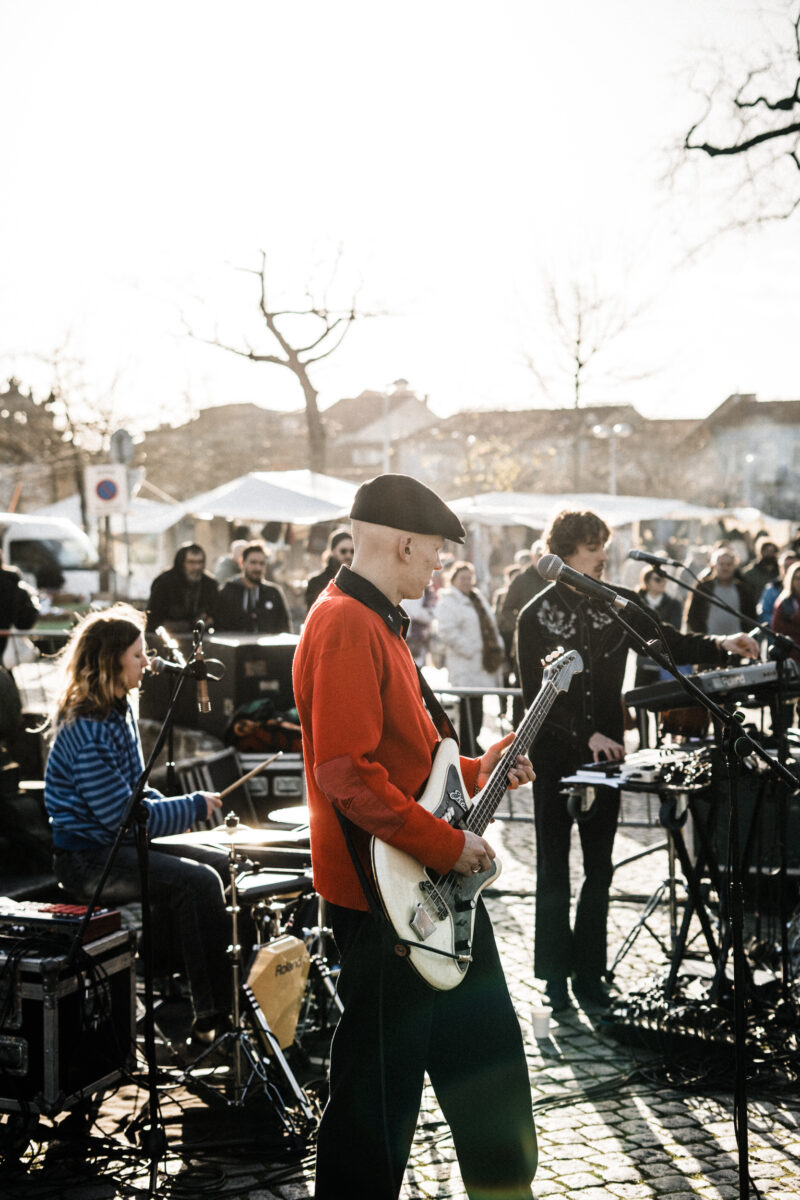
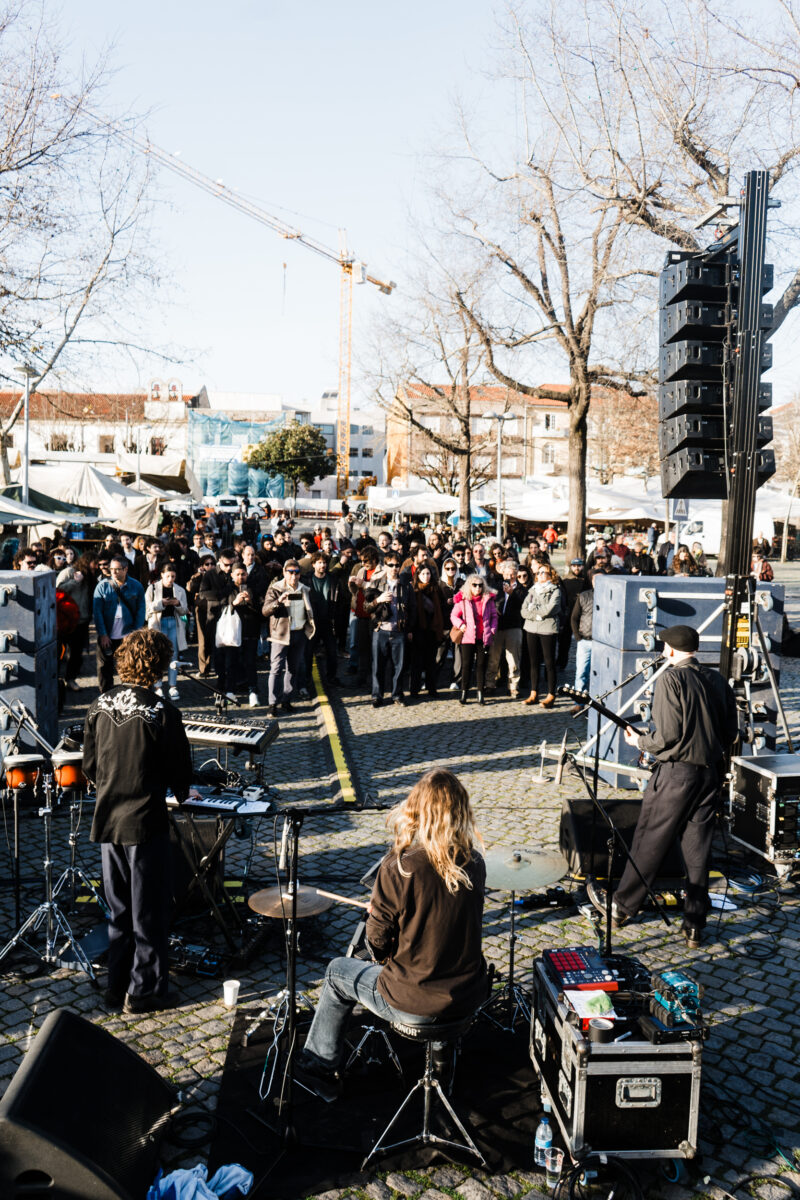
After a bite of lunch and with some time to kill, I saunter around Braga in full tourist mode, surveying the seemingly endless array of churches, classy cafes and a man with a giant bubble-maker in the main square. A few wrong turns later and I belatedly arrive for the bus to the next city, Barcelos, which turns out to be a quaint and quite adorable setting, with the Cávado river running through the heart of the picturesque place. Our first pit stop there is Campo da Fiera, an open area market of small stores selling clothes, foods and materials. In the centre of the stalls is the day’s inaugural act, Amsterdam trio Housepainters. They deliver a joy-inducing set of disco and dub mixers with startling grooves, anthemic vocal showings and heady synths.
Ensuing the lively start to proceedings comes a trip to Museu da Olaria, a pottery museum, for an intimate performance from Galician duo Caamaño & Ameixeiras. Built from a blend of accordion and violin with stunning vocals atop, the pair’s poetic sound, effortless chemistry and affecting tone makes for a dazzling experience, merging together their region’s orthodox sonics with tango rhythms and folk melodies, offering bottomless emotional depth and technical excellence alike.

From the quiet highs of the transient duo to the intricate guitar work of Richardo De Leon. The Panamanian instrumentalist and singer entertains a crowd in Theatro Gil Vicente, with an impressive instrumental ability but a hit-and-miss vocal performance. The 45 minute sets for every artist are proving to be a mixed bag: the longer length allows the festival goers to really understand the artist, but simultaneously sometimes feel overlong and somewhat tedious.
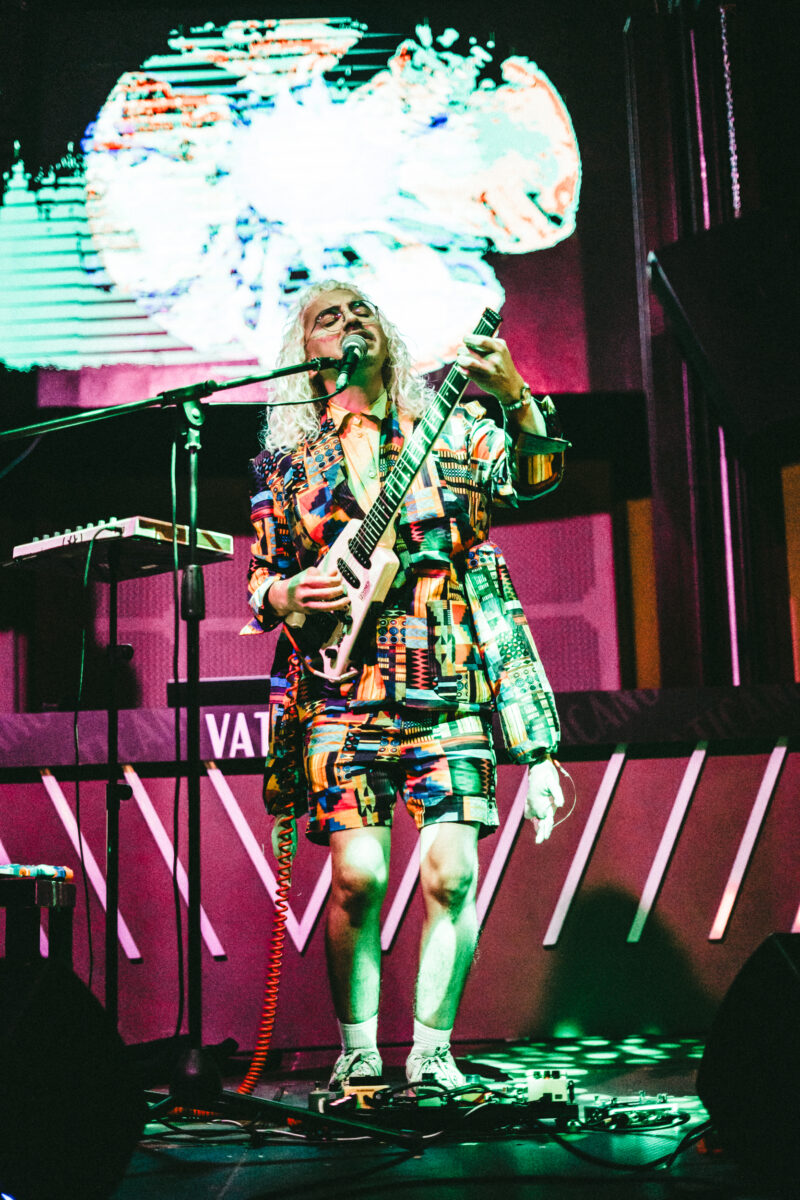
Onwards, Portuguese hardcore outfit Hetta bring a heavy intensity to a dilapidated underground corridor. The punk-leaning screamo is a monstrous addition to the line-up, with the biggest, rowdiest crowd so far in attendance. To the final Barcelos hurrah, Columbian multi-disciplinarian Julián Mayorga cranks up the weird meter with an eclectic set that blends folk, electronic, and psych rock into an avant-garde potion. His outfit is a sensation too.
Some food and wine later, and I’m back on the bus to Braga. There’s a period of time without music, so a new companion and I decide to take in some of the other entertainment Braga has to offer—namely a slightly derelict but oddly charming back-alley snooker club. There’s a plethora on offer—from snooker to darts, giant jenga to table football. Needless to say, hours pass in a flash of fun, and we accidentally remain there until closing time, missing the festival shows. Worth it, although I lost every game—it’s the taking part that matters.
The next day sees me bunkered down in my hotel room to catch up for New Music Friday for the morning. To travel to today’s city, Famalicão, we’ll be taking the train; music to my ears, who doesn’t love a train ride? Chooing along to our new environment, a larger, more industrial-feeling metropolis, we group of attendees make our way to the first venue of the day, Casa Das Artes De Famalicão, an art gallery, for Mynda Guevara. The Lisbon-native is a bold and full-bodied performer, offering a potent plethora of rap cuts that get the growing audience—mostly made up of people you wouldn’t expect to be hip hop listeners—on their feet and immersed in her sharp flows and splashes of melody.
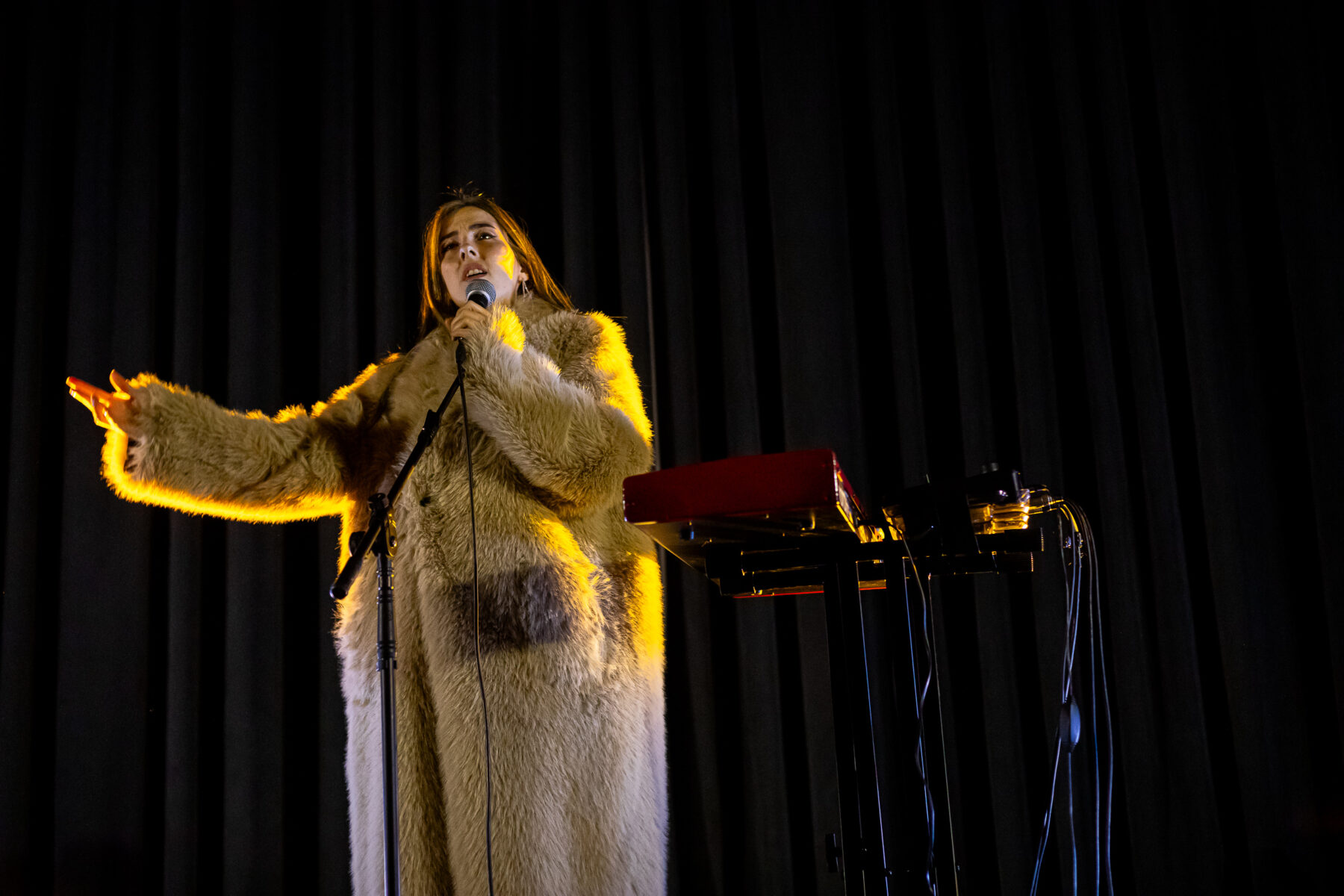
Sju, an avant pop singer-songwriter who moonlights as a hat designer for the likes of Slowdive and Gorillaz, comes after. Sporting a plant pot hat herself, the artist’s dreamy, kaleidoscopic, PC Music-inspired soundscapes are alluring—if sometimes abrasively sweet. Next comes Verde Prato, a creative who I’ve crossed paths with before on a trip to Bilbao, whose merger of Basque heritage and left-field electronic sounds is full of haunting beauty and meticulous musicality.
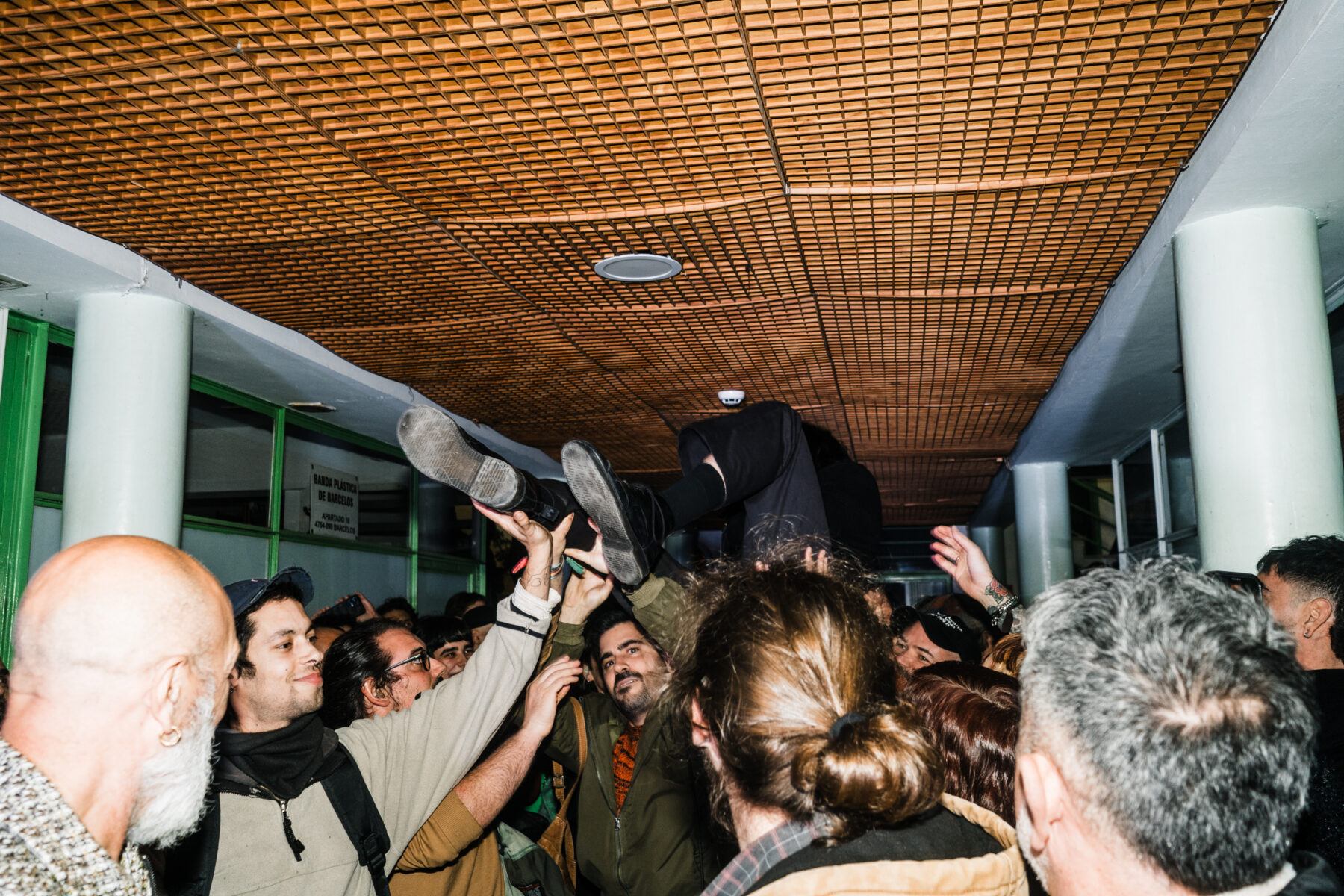
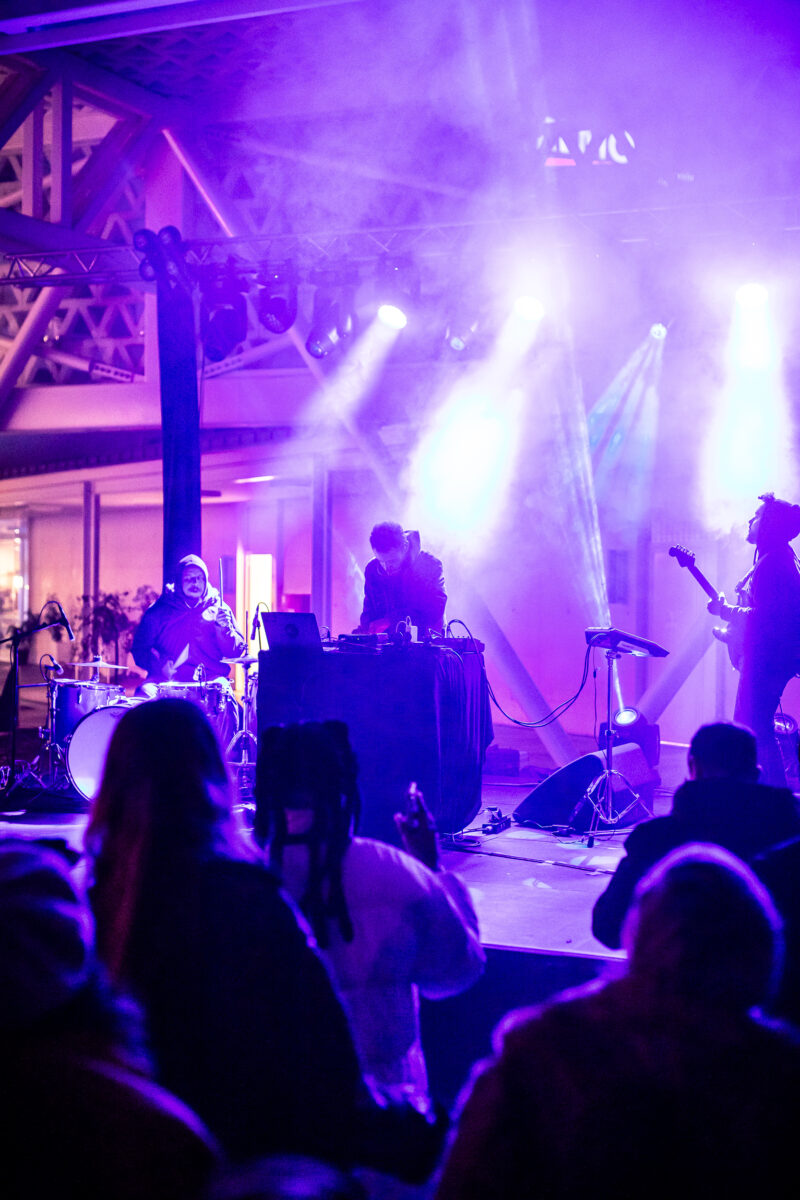
After taking a break from the music to grab a much needed Super Bock, I find the last act of the expedition to Famalicão to be the most startling of the entire trip so far. Fidju Kitxora are a fresh entity into the musical sphere, floating between Lisbon and Cape Verde. Against the backdrop of what appears to be an empty market, the trio of musicians send the audience into a trance state with their progressive, hypnotic style that flicks through funaná, semba, afro-house, field-sampling and more amid a swirl of experimental electronica. A short way into their intoxicating set, a man, draped in a black tracksuit with his hood up who had been standing to the side of the stage, steps up onto the platform where Fidju Kitxora are playing. The musicians look confused, glancing around, seemingly uncomfortable at the occurrence.

The man then steps down into the audience, who all shift back a few metres, unsure of his intentions. He starts dancing, swaying to the infectious rhythms, delving through postures potently.
Everyone is confused—is he part of the performance?
The longer he dances (it must be for a good 20 or 25 minutes), the more the crowd becomes at one with him. He’s incredibly impressive, and blends within the lore of the act seamlessly. As the performance comes to an end, the man disappears off into the ether, and the band follow suit, walking off the stage and through a backdoor before the reverb of the synth has swirled to a halt. Onlookers look around, confused, mesmerised, exhilarated. What has just happened? Who knows—but it was fucking majestic.

Dinner and the train home is a swirling meditation of the enigmatic circumstances that have just played out in front of our eyes. But there’s no time to wallow in the mystery—the show(s) must go on. Back in Braga, I catch dazzling trio El Khat, and DJ sets from the impressive De Schuurman and Antconstantino, before trickling off into the orifice of the night, and finding my pillow.
The following morning starts slowly, following a mid-evening switch to negronis the night prior. Today’s festivities have a later start, and require no further travel, taking place around Braga’s gig spots and makeshift venues—churches and galleries, etc. First on the agenda, at the wonderfully dingy Café-Concerto RUM by Mavy, is gushes. The Brooklyn, Santos-based guitarist and vocalist and her incredible drummer deliver a mind-bending set of artful prog-rock and off-kilter rhythmic genius, in what is a sprawling showcase of skill.
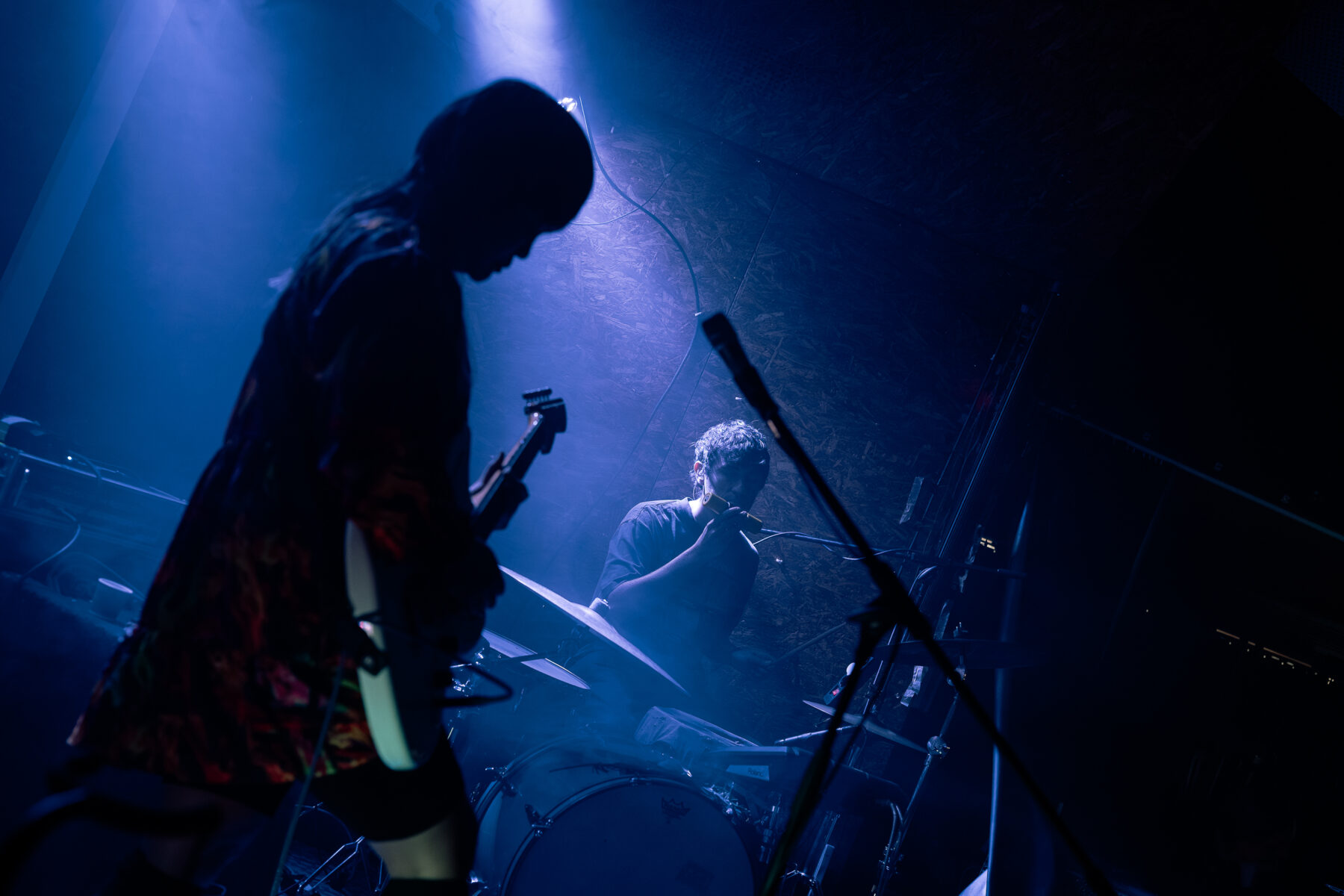
More technical nuance follows in the shape of George Silver, whose dynamic polymathy is deftly eye-catching. Maria Reis, one of the more conventional artists on the line-up, offers both crowd-pleasing vitality and a crisp concoction of guitar-led subs-sounds at a packed out Lustre. Rocío Guzmán’s evocative vocals allow space for rumination, before one last boogie with Mozambican-born, Portugal-based rapper Emmvr and boundary pushing DJ and producer Liliane Chlela. Then, with my flight the following day, I bow out and embark into the night.
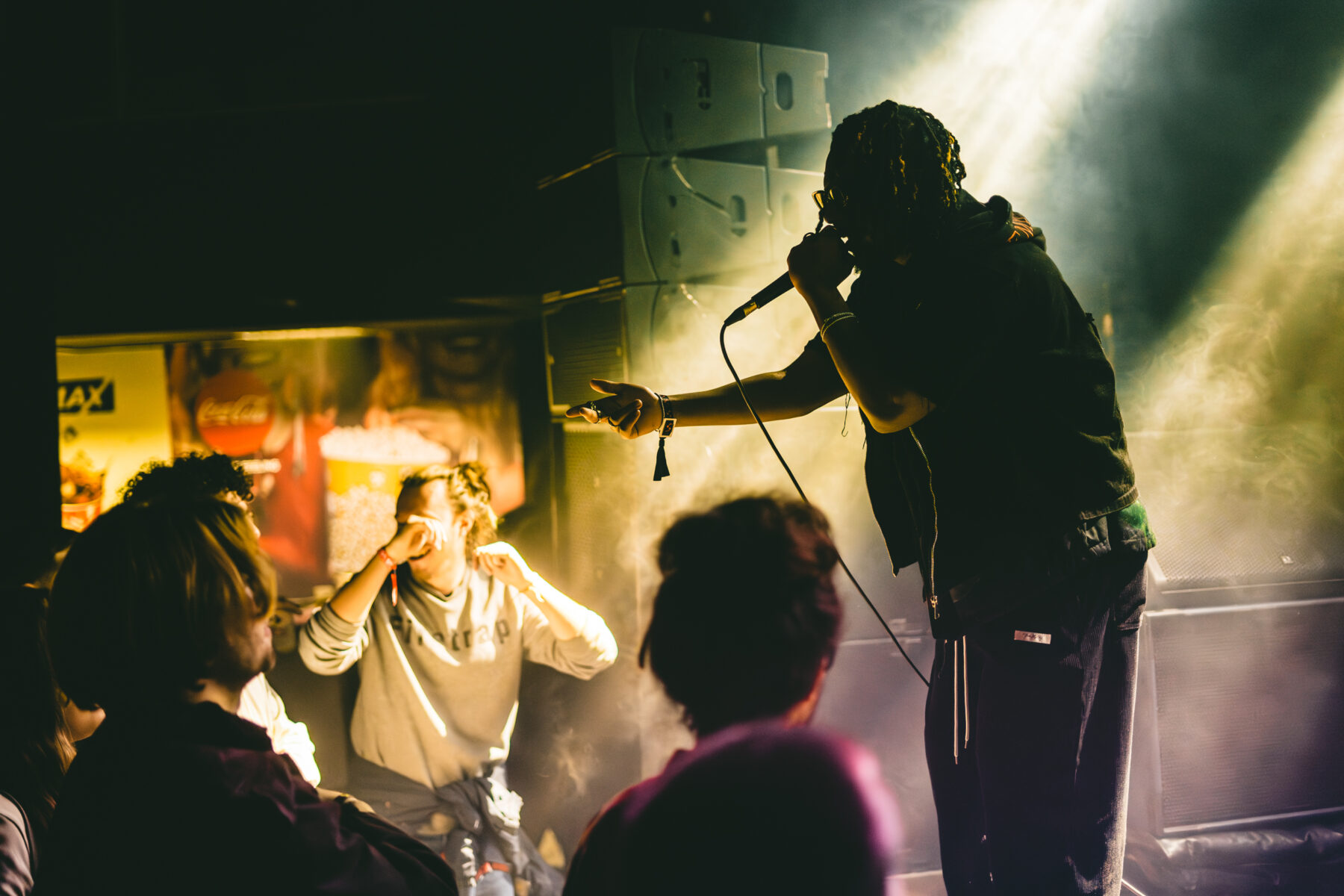
Travelling home is a deflation. It’s been a long week, one of discovery and immersion; a mini world within a previously unknown crevice of the universe, a gateway into sonic exploration, a stratosphere of motley new acquaintances. SQUARE is a wholly unique experience, one driven not by commercialism or statistics, but by the purity of musical expression and the richness of community. The music was as globally wide-spanning as I’ve ever experienced at a single event, with each act designed to disrupt expectation and celebration their musical lineage. The organisation—which could have easily been wayward—was near faultless, and the commitment to originality is a breath of fresh air.
Is it sustainable, with the modest number of attendees and the even more shrewd price structure of just €50 for the full program and eight meals? It seems difficult. But you can only hope that the local and international spheres champion its individuality. For now though, I’m just grateful for the opportunity. Braga ain’t half pretty too, I’d recommend.
Words – Ben Tibbits
Photography – Lais Pereira, Sergio Monteiro, Adriano Ferreira
a trip to braga, a trip to braga a trip to braga a trip to braga


